PDF has often been used for publishing valuable data. Sometimes it is a piece of cake to extract the human-readable data and convert it into csv, excel or put it into a database. Sometimes PDF is used to publish data in a hard-to-process format, i.e. using embedded images. The open-source ecosystem provides fantastic tools to get data out of PDF files.
(more…)Crow Intelligence
AI is just a tool. To use it effectively, you must understand how humans think and communicate. We know the strengths of both natural and artificial intelligence and how to combine them for optimal results. By bridging cognitive science and AI, we create solutions that enhance human capabilities and ensure seamless interaction.
Our Approach
Just as a well-designed tool feels like an extension of your hand, AI should feel like an extension of human intelligence. The best AI systems are built on two key principles:
Human Cognition
Understanding human thought and language ensures AI integrates seamlessly with natural cognitive processes.
Advanced AI Engineering
Cutting-edge AI technology, designed with cognitive awareness, creates powerful and intuitive systems.
Are you interested?
Blog
-

The urban geography of inequalities
A few weeks ago we had a heatwave and we were thinking if the hotter a place the poorer it is. We could collect data to test our hypothesis thanks to the recent advances in open data and scraping technologies.
(more…) -
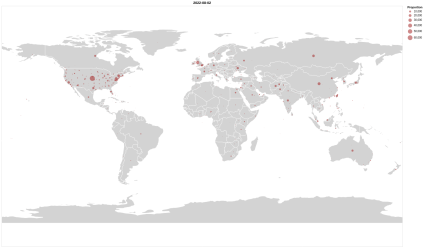
GDELT – the best source for news addicts
We love reading news but who’s got the time to read ALL articles? Luckily, the Global Database of Events, Language, and Tone, GDELT for short, scrapes tons of news articles and other sources of information. And yes, you can access their data via an API or very convenient Python and R SDKs.
(more…) -

Sentient machines, stochastic parrots, and the ghost in the shell
Can machines think?
(more…) What is consciousness? These questions are too important to leave to AI researchers. Cognitive scientists, psychologists, philosophers, and neuroscientists have investigated these questions for ages and came up with frameworks to think about such questions. Here we focus on two things, the philosophical critique of AI (both symbolic and connectionist) and various approaches to consciousness (or intelligence, or minds).
 -
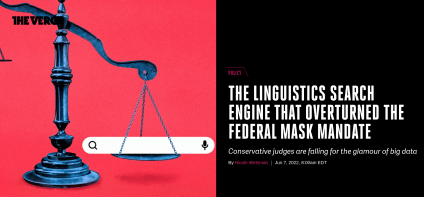
What does it mean? Does AI know the answer?
Recently a linguistic search engine overturned the federal mask mandate in the US, the recent issue of The Economist says “Huge “foundation models” are turbo-charging AI progress” and Gary Marcus seems to be the only person who bets against the success of AI. But can we trust empiricism and big data? A large language model can decide the debate over the common or right usage of words?
(more…)