AI is just a tool. To use it effectively, you must understand how humans think and communicate. We know the strengths of both natural and artificial intelligence and how to combine them for optimal results. By bridging cognitive science and AI, we create solutions that enhance human capabilities and ensure seamless interaction.
Our Approach
Just as a well-designed tool feels like an extension of your hand, AI should feel like an extension of human intelligence. The best AI systems are built on two key principles:
Human Cognition
Understanding human thought and language ensures AI integrates seamlessly with natural cognitive processes.
Advanced AI Engineering
Cutting-edge AI technology, designed with cognitive awareness, creates powerful and intuitive systems.
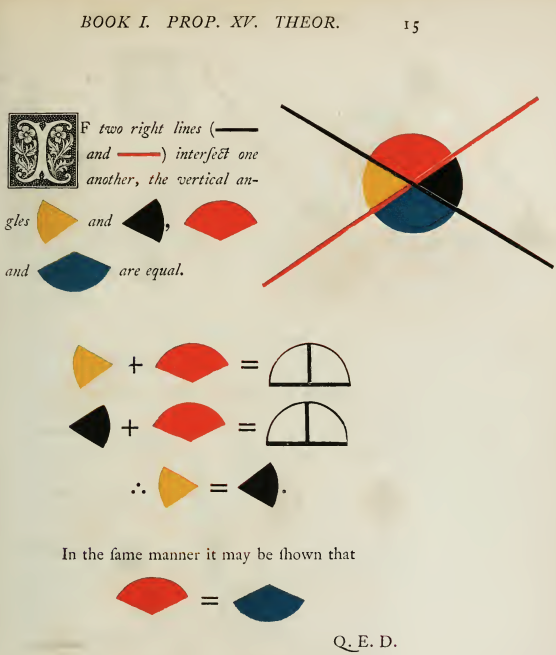
How did mathematics transform from practical calculations—measuring fields, building pyramids—into the rigorous, proof-based science we know today? For centuries, scholars assumed it was a gradual evolution from Egyptian and Babylonian techniques. Then Hungarian classical philologist Árpád Szabó made a startling discovery that overturned this conventional wisdom.
By analyzing the actual Greek terminology used in ancient mathematical texts, Szabó uncovered something unexpected: axiomatic mathematics didn’t evolve from practical calculation at all. It emerged suddenly from philosophical debate.
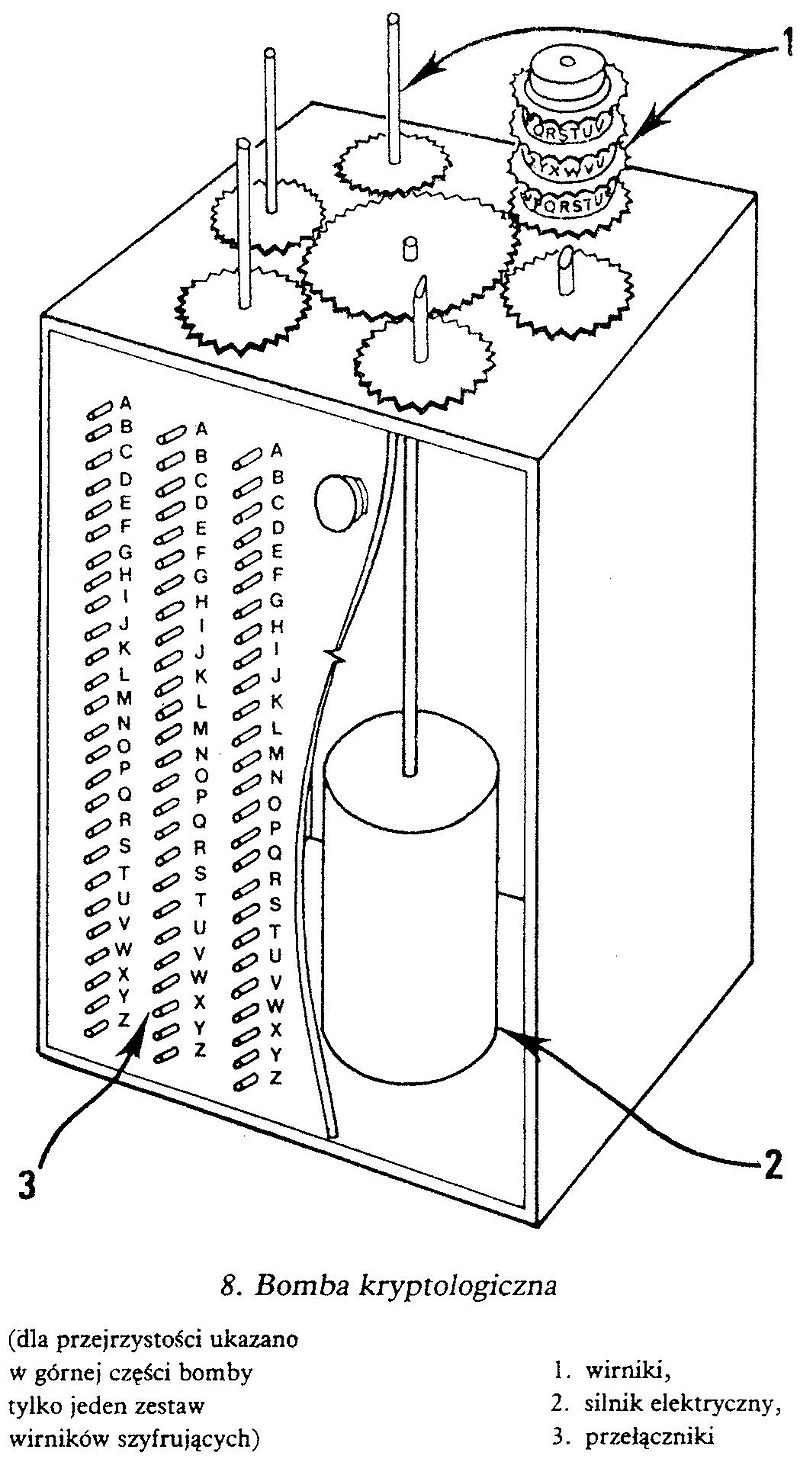
The Real Story of Alan Turing and the Team That Changed Computing
The mythology of genius loves a solitary figure. Alan Turing, hunched over an Enigma machine at Bletchley Park, single-handedly saving Western civilization—it makes for compelling cinema. The 2014 film The Imitation Game introduced millions to Turing’s name and tragic fate, cementing this image of the lone genius battling bureaucracy and winning the war through pure intellectual force.
This is the second post in a series about bridging the gap from beginner programmer to advanced data science practitioner. These aren’t programming concepts – they’re software engineering practices that enable you to build robust, maintainable systems.
How to Fix the “Works On My Machine” Problem in Python
You’ve written some Python code that works perfectly on your laptop. You share it with a colleague, and suddenly nothing runs. Or worse – you come back to your own project from last year, and it’s completely broken. Python has been updated, some packages followed the new version, others didn’t, and your carefully crafted solution is now a pile of import errors.
This isn’t a hypothetical scenario. It’s the daily reality of working with Python without proper environment management.
I’ve seen this play out in painful ways. A colleague once spent hours trying to figure out why a package was running slowly, only to discover that the original implementation used PyPy (a super-fast Python implementation), but nobody had documented this crucial detail. Another project mysteriously failed because one developer used conda’s Python, another used the system Python, and a third had installed vanilla Python from python.org. Same code, three different Python installations, three different sets of problems.
The fundamental issue: Python isn’t just Python. There are different versions (3.10, 3.11, 3.12), different implementations (CPython, PyPy, Jython), and countless package versions that may or may not work together. Without managing these variables explicitly, reproducibility becomes impossible.
The philosopher whose Chinese Room thought experiment still haunts AI researchers
John Searle, who died on September 17th aged 93, spent much of his career arguing that computers could never truly think. This was an unfashionable position in the optimistic early decades of artificial intelligence, and it remains contentious today, when large language models can write poetry, pass bar exams, and fool humans in conversation. Yet his central insight—that symbol manipulation is not the same as understanding—has proven remarkably durable, even as the symbols have grown vastly more sophisticated.
This is the first post in a series about bridging the gap from beginner programmer to advanced data science practitioner. This transition isn’t just about learning more Python – it’s about adopting the software engineering practices and tools that enable you to build robust, maintainable systems.
The Hidden Complexity of Professional Practice
Here’s what nobody tells you about becoming an advanced data science practitioner: the hardest part isn’t mastering algorithms or learning new libraries. It’s developing the software engineering discipline that separates beginners from professionals.
You can solve problems with Python. You understand pandas, numpy, and scikit-learn. You might even know some deep learning frameworks. But there’s still a massive gap between “I can write code that works” and “I can build systems that others can use, maintain, and extend.”
This gap isn’t about programming knowledge – it’s about engineering practices. And honestly? It’s complex and takes time to master. We’re talking about a completely different skillset from the algorithmic thinking you’ve been developing. These are the practices that make the difference between code that works once on your machine and code that works reliably for everyone.