Author: Varjú Zoltán

  • How Did Mathematics Become a Science?

    How Did Mathematics Become a Science?

    Árpád Szabó’s Revolutionary Discovery

    The Mystery That Changed Everything

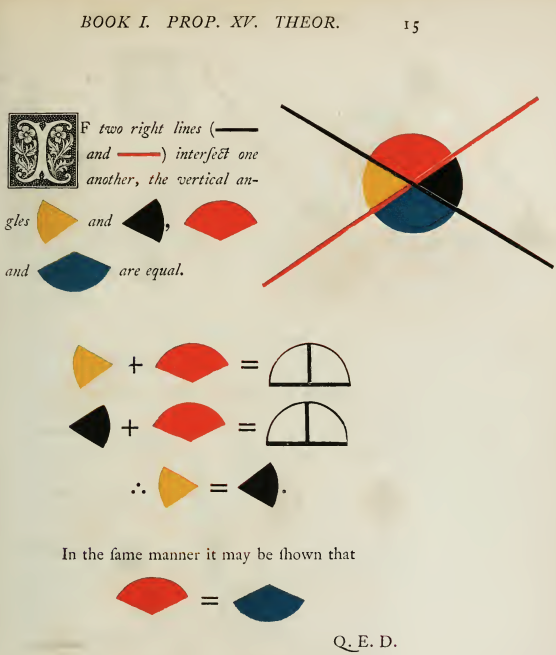
    How did mathematics transform from practical calculations—measuring fields, building pyramids—into the rigorous, proof-based science we know today? For centuries, scholars assumed it was a gradual evolution from Egyptian and Babylonian techniques. Then Hungarian classical philologist Árpád Szabó made a startling discovery that overturned this conventional wisdom.

    By analyzing the actual Greek terminology used in ancient mathematical texts, Szabó uncovered something unexpected: axiomatic mathematics didn’t evolve from practical calculation at all. It emerged suddenly from philosophical debate.

    (more…)
  • Beyond Bletchley

    Beyond Bletchley

    The Real Story of Alan Turing and the Team That Changed Computing

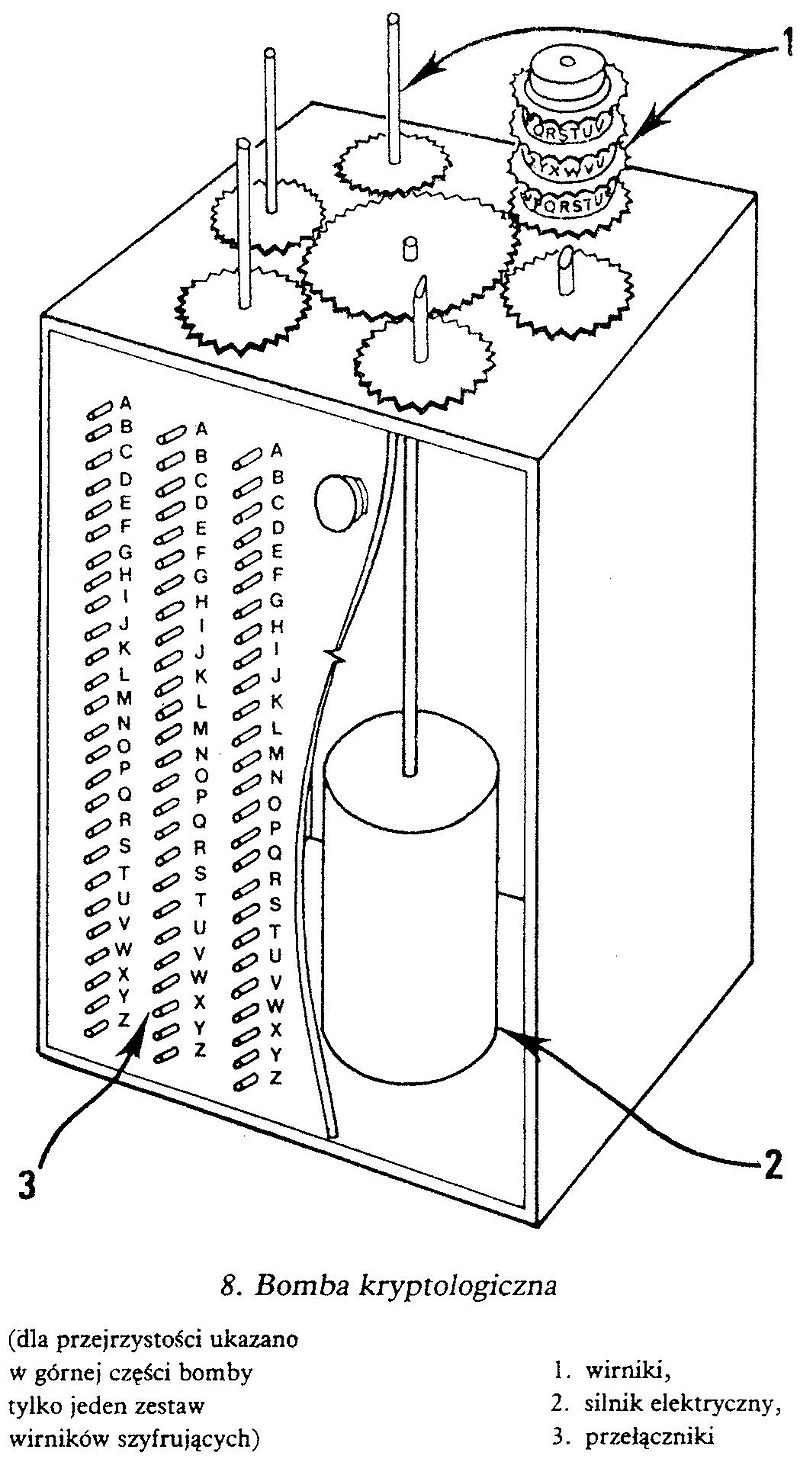
    The mythology of genius loves a solitary figure. Alan Turing, hunched over an Enigma machine at Bletchley Park, single-handedly saving Western civilization—it makes for compelling cinema. The 2014 film The Imitation Game introduced millions to Turing’s name and tragic fate, cementing this image of the lone genius battling bureaucracy and winning the war through pure intellectual force.

    (more…)
  • Understanding Without Thinking: John Searle, 1932-2025

    Understanding Without Thinking: John Searle, 1932-2025

    The philosopher whose Chinese Room thought experiment still haunts AI researchers

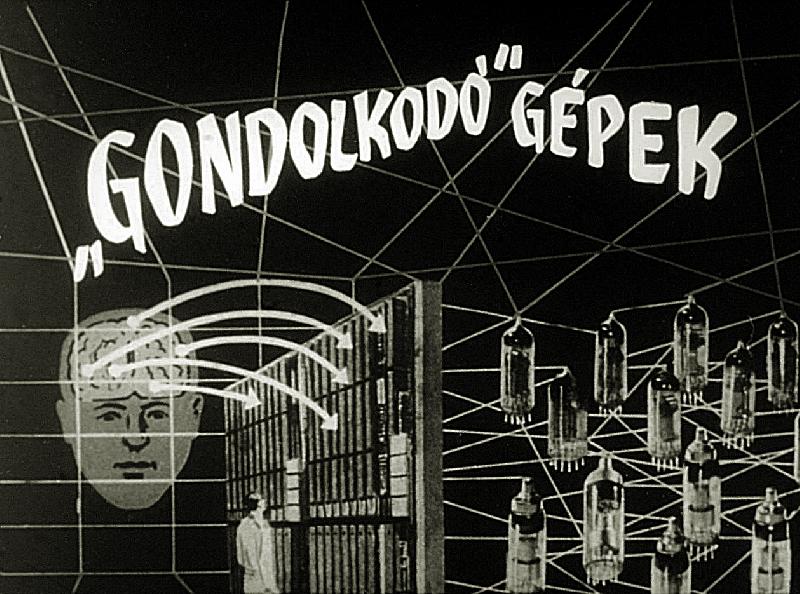
    John Searle, who died on September 17th aged 93, spent much of his career arguing that computers could never truly think. This was an unfashionable position in the optimistic early decades of artificial intelligence, and it remains contentious today, when large language models can write poetry, pass bar exams, and fool humans in conversation. Yet his central insight—that symbol manipulation is not the same as understanding—has proven remarkably durable, even as the symbols have grown vastly more sophisticated.

    (more…)
  • Intoxicate Me Now

    Intoxicate Me Now

    AI, Nuclear Weapons, and the Paradox of Intention

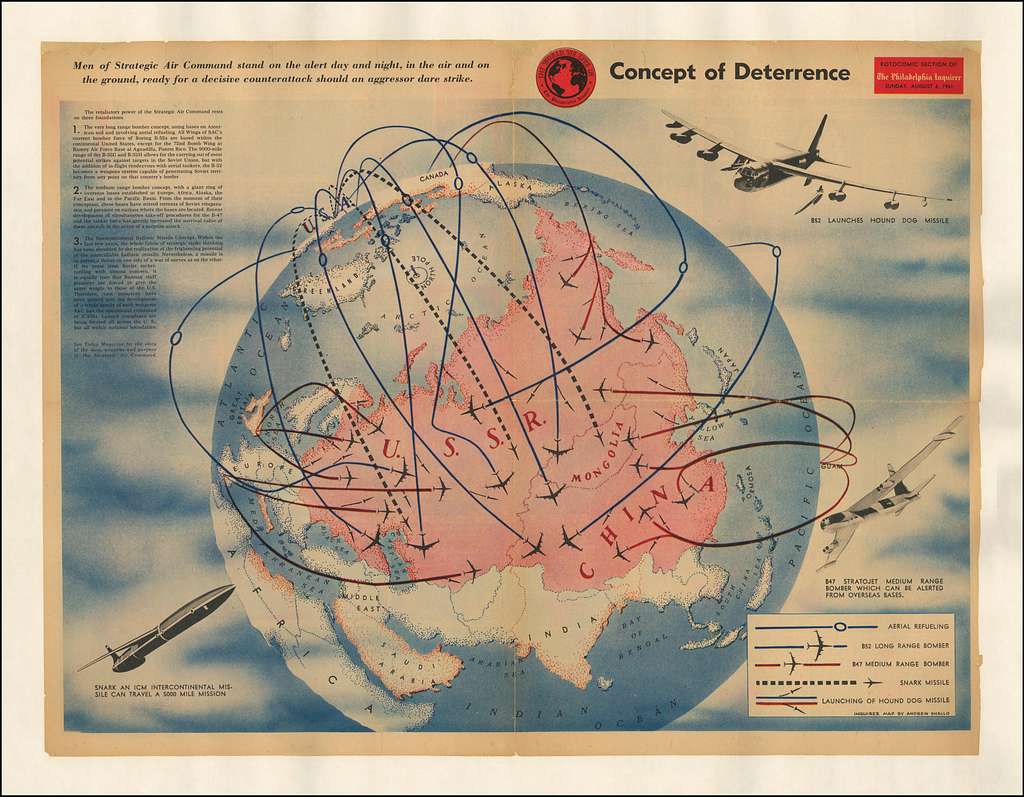
    Reading about Russia’s nuclear deployments to Kaliningrad and China’s plans to add hundreds of warheads to its arsenal, I’m transported back to 1987. I’m six years old, asking my father about the Pershing missiles being withdrawn from Germany. His reassurance—that the Soviets had “no money to start a nuclear war”—seems quaint now. Today, money isn’t the constraint. The constraint is something far stranger: the logical impossibility of genuine deterrent intentions.

    (more…)
  • Vices and Virtues of AI

    Vices and Virtues of AI

    Why Vibe Coding Policy Questions Is a Bad Idea (Just Ask the Swedish PM)

    Just a few weeks ago, Sweden’s Prime Minister Ulf Kristersson faced criticism after admitting he regularly consults ChatGPT for “second opinions” on policy matters. Tech experts condemned the practice, citing security risks—sensitive information uploaded to commercial AI platforms, potential data breaches, lack of oversight. Fair points. Sophisticated alternatives exist: classified AI systems like Palantir AIP, purpose-built government tools with proper security protocols.

    (more…)